
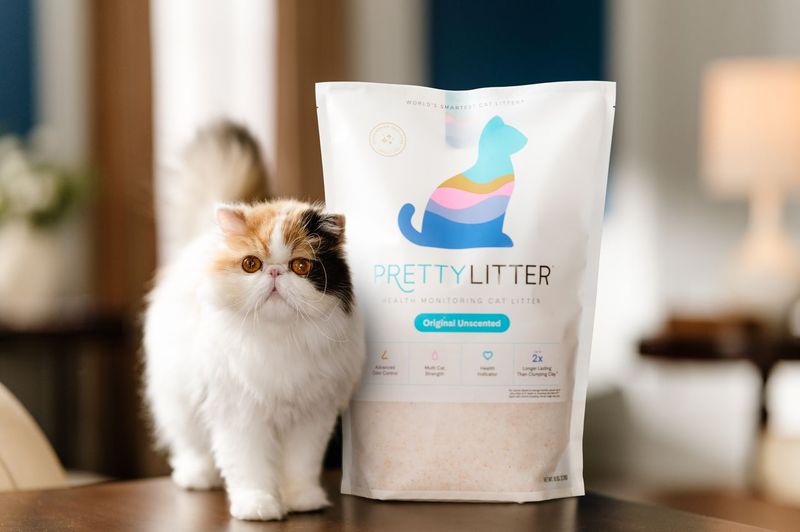
Cats are curious creatures, but discovering your feline friend snacking in the litter box can be concerning. Litter eating may be linked to exploration, boredom, stress, or a health issue. If your cat is swallowing litter, contact your veterinarian for guidance — even if they seem otherwise well.
Here's what might be behind the behavior and how to help.
What is pica in cats?
Pica is the persistent eating of things that aren’t food, such as fabric, plastic, paper, or cat litter. It can have medical or behavioral causes. A curious taste doesn’t automatically mean your cat has pica. Repeated litter eating, however, deserves a closer look from your veterinarian.
So... why is my cat eating litter?
Here are some possible explanations, rather than a diagnosis. More than one factor may be involved.
-
Curiosity: “What’s this?” ❔️
A new texture or smell may catch your cat’s attention. Investigating litter can sometimes turn into tasting it, especially during play. Sniffing and digging are different from actually swallowing litter. (petmd.com) -
Youth: Little paws, lots to learn 🐾️
Kittens may play with litter as they would a toy and accidentally swallow some while exploring. Keep an eye on your little adventurer during litter box visits, and gently interrupt any attempts to eat it. Don’t assume repeated eating is simply a phase they’ll outgrow. (petmd.com) -
Boredom: They need another outlet 🐈️
Cats need opportunities to play, explore, and exercise their hunting instincts. Without enough stimulation, some may turn to chewing or eating inappropriate items. Daily interactive play, safe toys, and food puzzles can help keep busy paws occupied. (healthtopics.vetmed.ucdavis.edu) -
Stress: Their world feels different 😓️
A new pet, a move, or changes at home may contribute to anxiety and unusual eating behaviors. Predictable routines, quiet resting spots, and places to retreat can help your cat feel more comfortable while you work with your veterinarian to identify the trigger. (healthtopics.vetmed.ucdavis.edu) -
Nutritional deficiency: Something may be missing 🥩️
An unbalanced diet or a medical issue affecting nutrition may contribute to eating nonfood items. Your veterinarian can review your cat’s food and determine whether testing or a diet change is needed. Litter eating alone doesn’t prove a deficiency, so avoid adding supplements without veterinary guidance. (healthtopics.vetmed.ucdavis.edu, vet.cornell.edu) -
An underlying health condition 🏥️
Pica can also be associated with conditions such as anemia, digestive disease, diabetes, or an overactive thyroid. That’s why a new or persistent litter-eating habit should be checked rather than attributed to personality alone. (vcahospitals.com)
What should I do if my cat eats litter?
- Call your veterinarian. Share the litter type, approximately how much your cat swallowed, when it happened, and whether it has happened before.
- Gently interrupt further eating. Ask your vet how to manage litter box access and whether a different litter is appropriate while you address the cause.
- Notice patterns. Track when it happens, recent household changes, and any changes in appetite, energy, or bathroom habits.
- Support healthy routines. Provide balanced nutrition, regular play, and a calm environment alongside your vet’s recommendations.
When is it urgent?
Swallowed litter can cause digestive problems, including a blockage. Seek urgent veterinary care if your cat has repeated vomiting, stops eating, seems unusually weak, has belly pain, or struggles to pass stool. Breathing difficulty requires immediate emergency care.
Remember... litter belongs in the box, not on your cat’s menu. If your cat is intentionally eating it, gently interrupt the behavior and contact your veterinarian. Have the product packaging handy so they can assess the specific litter and advise you on next steps.